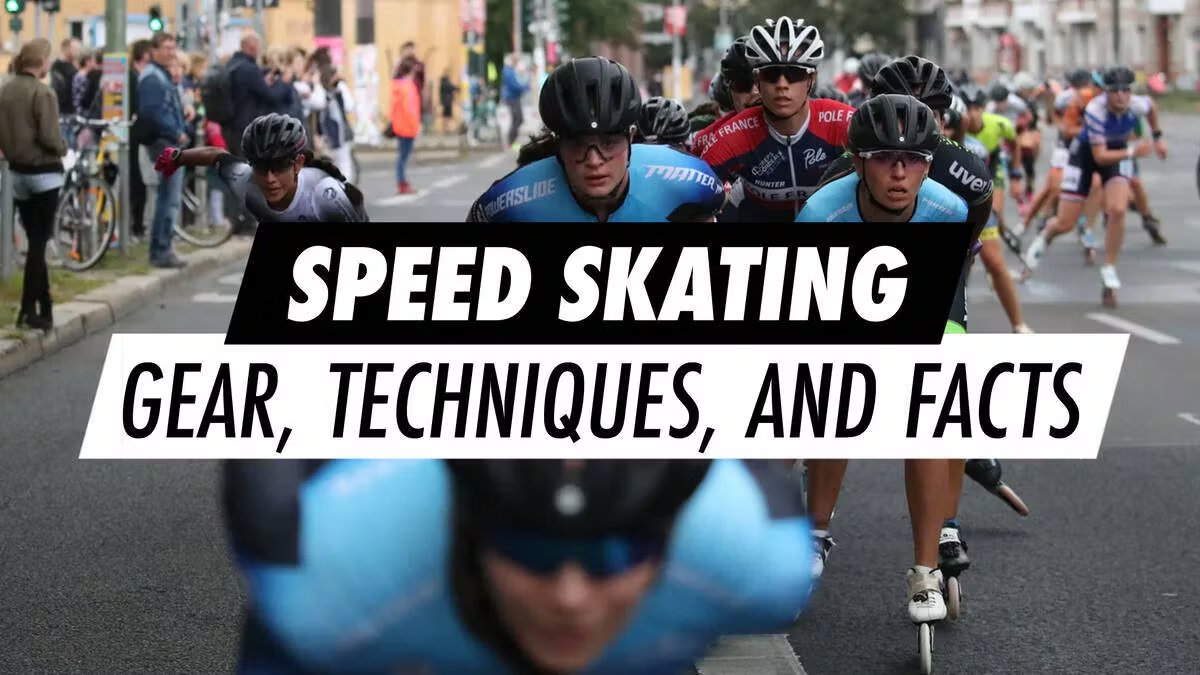
Speed skating presents a thrilling, high-performance perspective on inline skating, primarily emphasizing speed and endurance. Are you contemplating taking up inline speed skating, or are you merely intrigued by the sport? Here, we delve into what differentiates speed skating from other roller sports.
Inline speed skating revolves around:
- Technique: Expertise in advanced methods such as the double-push.
- Equipment: A low, rigid boot, a lightweight frame, and wheels as large as 125 mm.
- Speed: Top-tier skaters can achieve up to 37 mph (60 km/h) on flat ground.
- Community: A strong social component exists through speed skating clubs and events.
Overview

Where to Begin with Speed Skating
Joining a speed skating club is an excellent step if you are considering getting into the sport. You will receive personalised guidance tailored to your level and simultaneously share experiences with others who share the same passion.
“One of the aspects I adore about speed skating is the social element. Often, you work towards shared goals, yet it remains a sport where you can engage in practice and competition on an individual basis.” - Trine Brøns Nielsen, former SkatePro Team Rider and Danish champion.
If there is no nearby speed skating club or someone to mentor you in person, online resources offer a wealth of information. There are numerous tutorials available that elucidate basic speed skating techniques. Below, we cover foundational techniques to help you commence your journey (and perhaps you might even start your own local club eventually).
Essential Equipment for Starting Speed Skating
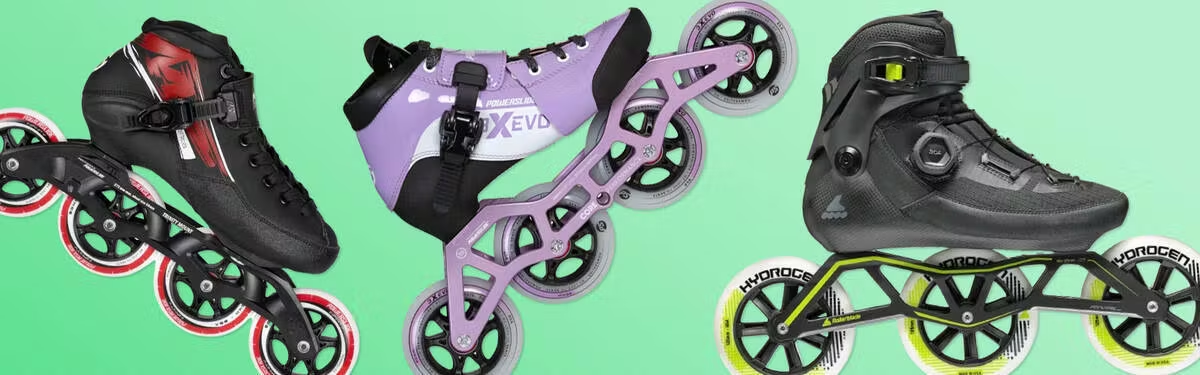
To venture into inline speed skating, all you need is a pair of speed skates, some protective gear, and an appropriate area for practice.
Defining Inline Speed Skates
Speed skates are distinct from conventional fitness skates due to their boot, frame, and wheels. Every fraction of a second is critical in speed skating, and the technical specifications of the skates reflect this emphasis on performance.
- Boot Design: Comprised of low boots made from rigid carbon fibre with minimal padding to maximise energy transmission.
- Wheels: Larger wheels (up to 125 mm) retain momentum, while the toughened rubber decreases friction, enhancing speed.
- Frames: Robust, lightweight aluminium or carbon frames ensure energy isn't lost through flexibility.
Choosing the right speed skates depends on your skill level and aspirations. For beginners, a higher-cut boot is advisable to provide enhanced ankle support before transitioning to a dedicated speed skating boot.
Your choice will also depend on whether you are skating lengthy distances on rough roads or sprinting on a track. Softer wheels offer traction on uneven surfaces, whereas harder wheels minimise friction on smooth pavements.
Fundamental Speed Skating Techniques
A speed skater's effectiveness is determined by their particular technique. Mastering the following components is vital for optimal performance:
- Body Position: Maintain a low centre of gravity with a horizontal torso to reduce aerodynamic drag.
- Push Off: Apply a powerful lateral force to the skate edges against the ground, maximising forward momentum with each move.
- Arm Swing: Arms help maintain rhythm and aid stability during high-speed movements.
- Double Push Technique: This advanced method involves an internal "under-push" phase preceding the regular lateral extension, which increases power output per stride.
Watch this slow-motion video to see a clear illustration of the double push technique's mechanics, as well as body position and arm swing, demonstrated by professional speed skaters Mark Horsten and Lars Scheenstra.
Protection Gear for Speed Skating
Due to the high speeds involved in speed skating, the necessity of wearing protective gear cannot be underestimated, despite its possible impact on aerodynamics.
Speed skates exhibit significantly different rolling characteristics than typical inline skates equipped with smaller wheels and supportive cuffs. Novices are more prone to falls as they adapt to these differences; for seasoned skaters, the high speeds mean that any fall could be serious.
As you further immerse yourself in speed skating, you will naturally seek specialised protective gear designed to minimise aerodynamic disruption. However, prioritising safety is crucial, so do not hesitate to use less aerodynamically designed protective gear while starting.
Helmet Use in Inline Speed Skating
Helmets are compulsory in professional speed skating. Whether you're competing as an ambitious athlete or enjoying the sport recreationally, head protection is vital. It is unwise to risk concussions or other head injuries (injuries provide no performance advantage and can have lasting repercussions, believe us).
If you opt for a dedicated speed skating helmet, select one that is both aerodynamic and well-ventilated. For added protection against rotational impact, consider a helmet incorporating MIPS (Multi-directional Impact Protection System). All models in our range of skating helmets are safety-approved.
Knee and Elbow Protection in Speed Skating
Besides aerodynamic concerns, maintaining freedom of movement is paramount for knee and elbow protection. To retain a competitive advantage on speed skates, choose low-profile protectors over bulky, rigid-shell designs. Many skaters favour "sleeve-style" protectors that use thin, impact-absorbing foam, offering discrete protection with minimal restriction on aerodynamics and movement range.
Wrist Protection for Speed Skating
Safe-guard your hands and wrists with specialised wrist protection to prevent fractures or tendon injuries that could necessitate months of healing. We recommend models with a snug fit and robust materials, ensuring your focus remains on performance instead of injury prevention. For serious speed skaters, options include "second-skin" speed skating gloves blending protection with full dexterity and unrestricted movement.