It's beneficial to thoroughly assess different choices when picking your first skateboard. Skateboards vary more than you might expect, and through this guide, we hope to clarify essential questions, whether you're starting fresh or revisiting skateboarding after a long absence.
Overview

Types of Skateboards Suitable for Novices
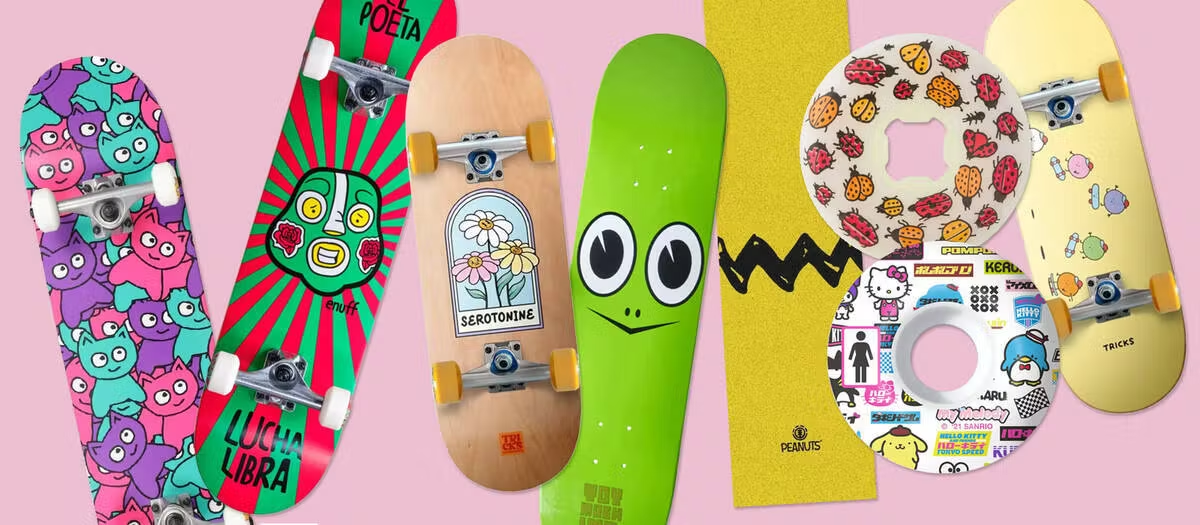
When selecting your initial skateboard, reflecting on the skateboarding style you think you'll enjoy most is important. You'll gain a better sense of what you prefer and can make more tailored choices as you advance. At the start, it's best to choose a versatile skateboard that supports learning basic tricks and skills. There's no need to make overly specific choices this early.
New skaters should consider one of these three key skateboard types:
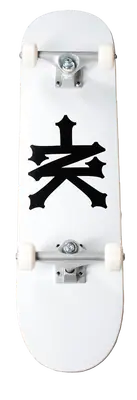
- Skateboards: Designed for tricks and often used in street and park settings, these boards have concave decks with dual kick tails and compact wheels, providing stability for novices beginning their skateboarding journey.
- Cruiser Skateboards: For those focused on transit or leisurely rides, cruisers are perfect. Featuring wider decks and softer wheels, they offer added comfort and agility, ensuring a smooth experience on uneven ground. Interested in cruisers? View our Cruiser Skateboards Buying Guide or explore our premium range of Cruiser Skateboards.
- Longboards: Ideal for beginners seeking a smooth and balanced experience, longboards are particularly good for commuting and downhill adventures. With activities such as longboard dancing, freestyle, and downhill, longboarding offers a lot. Explore more in our Longboards Buying Guide or check out our variety of Longboards.
This guide mainly addresses traditional skateboards for beginners eager to learn tricks.
Top Skateboards for Beginner Kids & Teenagers
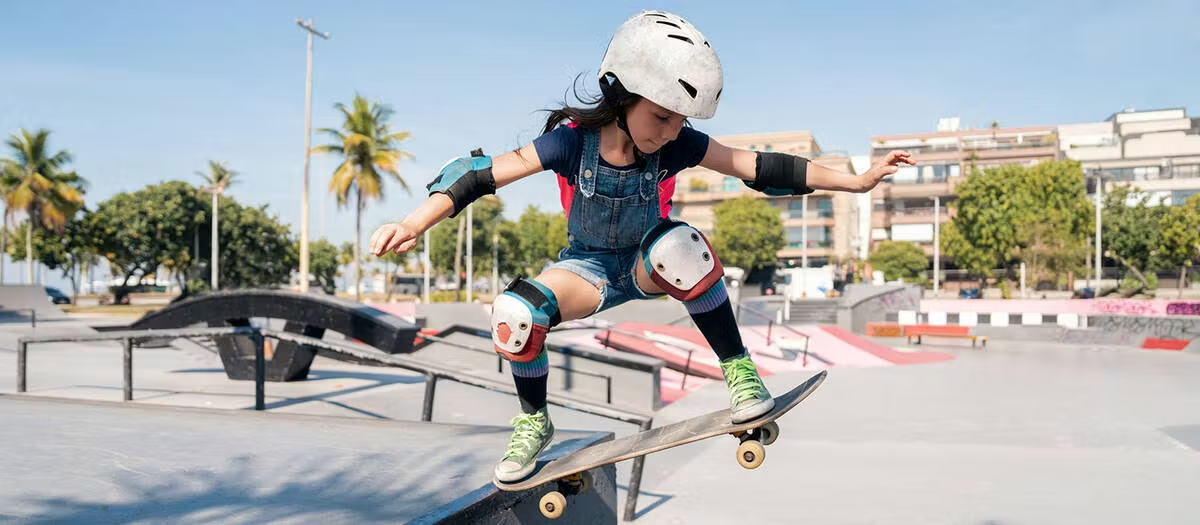
There are plenty of options for those seeking beginner skateboards for girls or cool options for boys - choices abound that suit aesthetic tastes for the board user.
A low-cost skateboard will do for the early stages of learning, but consider if it should support further development.
Eventually, any skater will try ollies and tricks, and a sturdy, responsive deck helps maximize effort. At this stage, it's wise to consider a higher-priced complete skateboard, though it's not strictly necessary.
When choosing a skateboard for children, pay attention to these details:
- Deck width: Choose a board similar in width to the child's shoe length. A board too wide can be hard to turn, while one too narrow may reduce stability. For detailed guidance, see our Skateboard Size Guide or continue reading below in this guide.
- Wheel hardness: A starting hardness of 92A or lower is recommended. Softer wheels better handle bumps like small stones or cracks, reducing falls and maintaining fun in early skating.
- Bushings: For kids under 65 kg, choose bushings below 90A. Softer bushings are easier to steer, while harder bushings make it more challenging.
Explore our Complete Skateboards selection, filtering by wheel hardness and deck length to match your preferences.
Top Beginner Skateboards for Adults

With a suitable complete beginner skateboard, adults can embark on skating journeys with confidence, no matter their age or level of experience. Whether you're totally new or returning after a break, you can find a pre-assembled skateboard to fit your needs. Choose wisely, especially since adults generally weigh more than teenagers.
For adults new to skating, consider these factors when picking a complete skateboard:
- Wood type: Opt for a 7-ply maple deck. Avoid Chinese maple, which is often softer and less durable due to faster tree growth; maple from colder regions grows slower, resulting in harder, durable decks with better pop.
- Adult skateboard size: Matching the deck width to shoe length simplifies steering. As beginners, stick to our general suggestions (detailed below). Intermediate skaters may develop different preferences.
- Wheel hardness: Below 97A is ideal. Harder wheels transmit surface vibrations more, while softer wheels are less playful but easier for beginners.
- Bushings: Truck bushing hardness affects steering. Heavier adults need firmer bushings. Choose 85A to 95A for 65-79 kg, and 91A or higher for over 80 kg.
Returning to Skateboarding as an Adult
It's never too late to skate! Though you may have taken a break, you aren't beginning anew; your past experience remains valuable. The essentials remain - a wooden deck, two trucks, and four wheels.
Want to restart skating? Select a skateboard that suits your requirements and rely on muscle memory. Whether tackling skatepark tricks or local street spots, your skateboard should reflect your aspirations.
Skateboards for mature flyers often lean towards cruising, as some prefer not to focus on aggressive tricks. Returning adults may opt for wider decks with slightly softer wheels. For technical stunts, ensure the deck features kick tails on both ends.
Experienced skaters often build custom setups tailored to their preferences. Check our Custom Skateboard Builder or explore our vast range of Skateboard Parts to create your ideal skateboard.
Choosing the Optimal Skateboard Size for Beginners
Following our skateboard size chart will help find the right size for a beginner's skateboard. The main concern in choosing skateboard sizes is the deck width. Preferences evolve over time based on the skateboarding style, so choose a beginner's size based on shoe dimensions.
For kids getting their first skateboard, the recommended size chart is a reliable guide.
| Skateboard Width | Recommended Age | Shoe size US | Shoe size UK | Shoe size EU |
| 6.5" | 3 - 5 | 6C - 11C | 5Y - 10Y | 23 - 28 |
| 6.75" | 3 - 5 | 7C - 11C | 6Y - 10Y | 24 - 28 |
| 6.825" | 4 - 6 | 9C - 12C | 8Y - 11Y | 26 - 30 |
| 7.0" | 5 - 7 | 10C - 1 | 9Y - 12Y | 28 - 32 |
| 7.125" | 6 - 8 | 11C - 2 | 10Y - 1 | 29 - 33 |
| 7.25" | 7 - 9 | 12C - 3 | 11Y - 2 | 30 - 34 |
| 7.375" | 8 - 10 | 13C - 4 | 12Y - 3 | 31 - 35 |
| 7.5" | 9 - 11 | 1 - 6 | 13Y - 5 | 32 - 38 |
| 7.625" | 10 - 12 | 2 - 7 | 1 - 6 | 33 - 39 |
| 7.75" | 12 - 14 | 4 - 9 | 3 - 8 | 35 - 42 |
| 7.875" | 12 - 14 | 4 - 9 | 3 - 8 | 35 - 42 |
| 8" & Up | 14 & Up | 9 & Up | 8 & Up | 42 & Up |
Beginner's Skateboard Advice
Mastering skateboarding basics involves time and practice, yet the most straightforward tip is to persevere. Enjoy every moment, trust your instincts, and you'll swiftly glide through the skatepark. Here are some helpful pointers:
Beginner Safety Gear for Skating
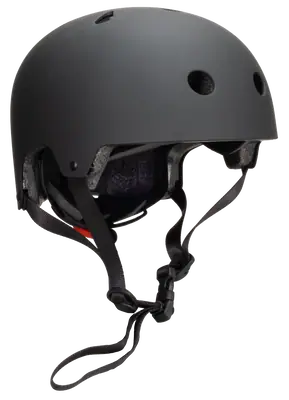
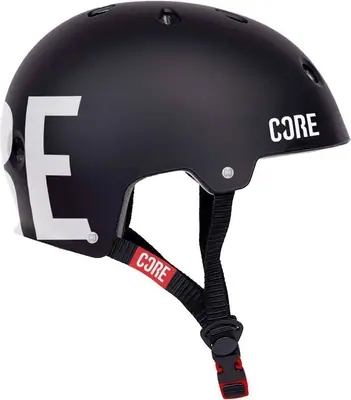
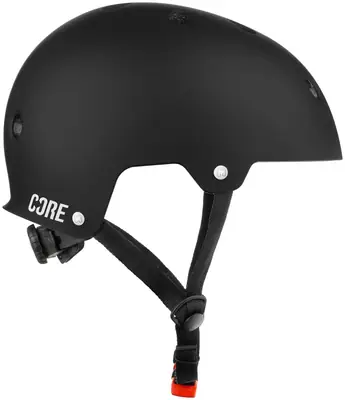
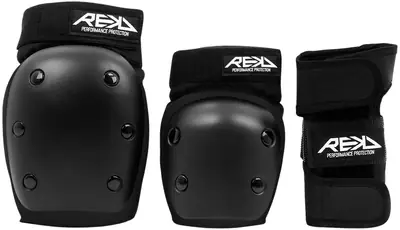
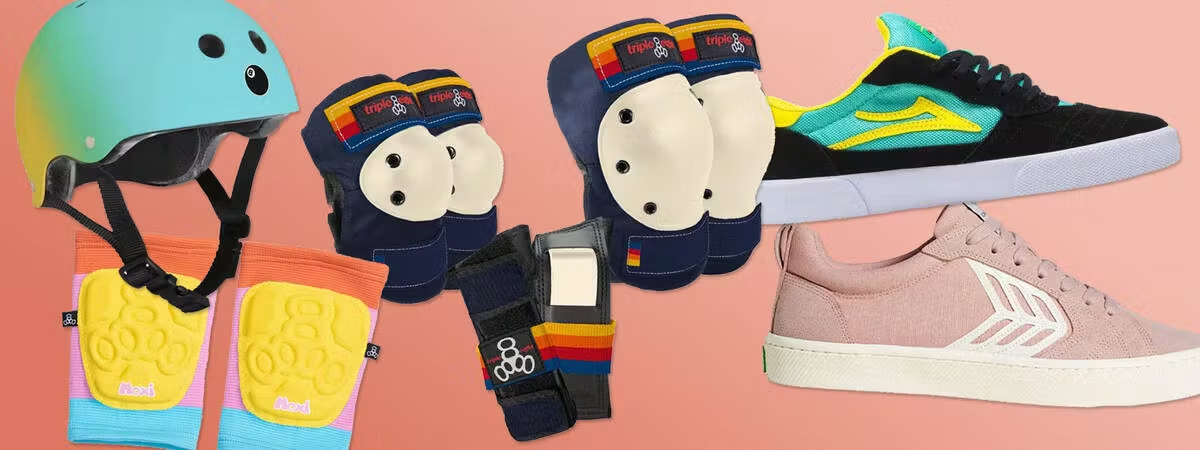
For both beginners and experts, helmets and pads are recommended. Fear of falling can hold you back, but top-notch wrist, knee, and elbow pads, plus a certified helmet, reduce fear and boost performance. Stay protected and skate with assurance - beginners should remember this!
Check out our variety of Skateboard Pad Sets and certified Skateboard Helmets.
Along with this, our selection of Skateboard Protection for Kids offers the finest children's helmets and pads.
Skate Shoes
Investing in skate shoes from reputable brands is wise. While any sneakers work, eventually, you'll appreciate owning authentic skate shoes.
What benefits come with choosing genuine skate shoes?
First, these shoes enhance your skating experience. Their flat soles and improved grip offer exceptional traction on the skateboard deck. The soles are crafted to maximise "board feel," boosting your sense of control, leading to greater responsiveness and better skateboard management.
Additionally, skate shoes are made to withstand the rigours of skateboarding, which can be incredibly demanding on footwear. High-grade skate shoes maintain their quality across numerous sessions, lasting much longer than an ordinary pair of trainers.
Explore our range of Skate Shoes.
Ideal Pants for Skating
For skating, your trousers need to be both flexible and strong. As you start, expect frequent falls, which can take a toll on your trousers. Moreover, they should not restrict your freedom of movement. Opt for pants with stretchable fabric and/or a loose fit.
Pants that do not limit your movements and are made from sturdy material are suitable for skating. Indeed, many favoured skate trousers are akin to workwear. Have a look at our collection of trousers to find your next go-to Skate Pants, and don’t miss our excellent assortment of Skater Belts!
Adjusting Your Trucks
Your skateboard's handling can be modified by adjusting the trucks' tension. It should steer in the direction you lean while riding. If not, perhaps loosening the trucks slightly could help. Conversely, if controlling the skateboard becomes challenging due to excessive movement, consider tightening the trucks. Modifying the kingpin nut substantially alters your skateboard's performance!
Since skaters vary in weight and height, the pressure exerted on the trucks can differ. This means there isn't a one-size-fits-all tightness, so it's wise to experiment until you find the perfect setup for stable and consistent cruising.
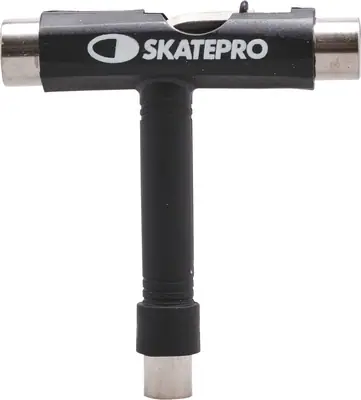
Watch this video to learn the process for adjusting your skateboard trucks, and bear in mind that a Skate Tool is a cost-effective and lasting asset.
The Components of a Skateboard – Understanding Skateboard Structure
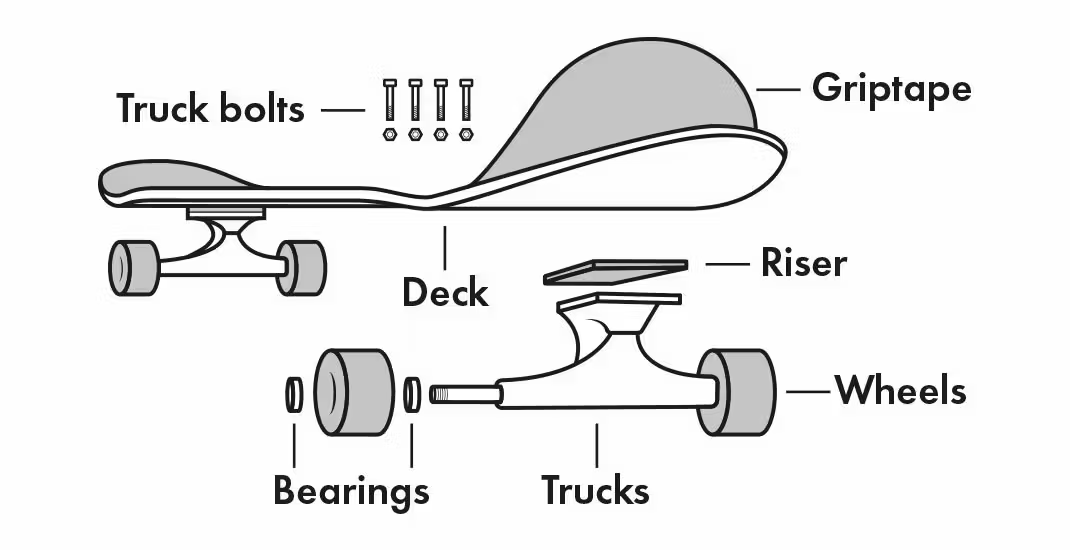
If skateboarding is your passion, assembling a custom skateboard is the way to go. Even when buying a beginner's complete, grasping the basics of skateboard parts—known as the skateboard's anatomy—is worthwhile.
Newcomers might find some compelling reasons to choose a custom setup. Whether you adore the graphics on a separate deck or seek top-notch trucks, building your own board lets you select the precise components required.
Feeling daunted by tasks like applying grip tape or attaching wheels? Consider using our Custom Skateboard Builder. Our enthusiastic team can assemble the board for you, ensuring it's ready to ride the moment you receive it.
Let's run through the different skateboard components:
Decks for Skateboards
Skateboard decks are usually made from multiple wood layers, known as ply. Most trick decks consist of 7-ply maple. Beginners should opt for decks crafted from tougher maple types to ensure longevity. The deck is a vital skateboard component, providing the platform for executing tricks and manoeuvres.
Check out our detailed Guide to Buying Skateboard Decks, or browse our extensive collection of Skateboard Decks.
The Trucks on a Skateboard
Sitting beneath the skateboard deck, the trucks are metal T-shaped structures to which wheels attach. These serve as the steering system of the complete board, impacting how it manoeuvres and rides.
For more insights into skateboard trucks, including bushings, hangers, and baseplates, review our in-depth Skateboard Truck Buying Guide. If you know what you’re after, feel free to explore our broad selection of Skateboard Trucks.
Wheels for Skateboards
Skateboard wheels, composed of polyurethane, differ in size, hardness, and shape, significantly affecting the board's smoothness, speed, and grip.
For beginners, selecting the right wheel hardness is crucial, and this is indicated by the durometer scale. Here’s our general advice for beginner skateboard wheels:
- Children should pick wheels with a hardness rating of 92A or less.
- Adult beginners should choose wheels rated at 97A or less.
Speaking of diameter, beginners aiming to learn tricks should stick to 52 - 54 mm.
For more comprehensive details on skateboard wheels, see our in-depth Guide to Buying Skateboard Wheels. Moreover, feel free to browse our entire range of Skateboard Wheels, and for added convenience, filter by hardness or any other pertinent specification to find the most fitting models.
Bearings for Skateboards
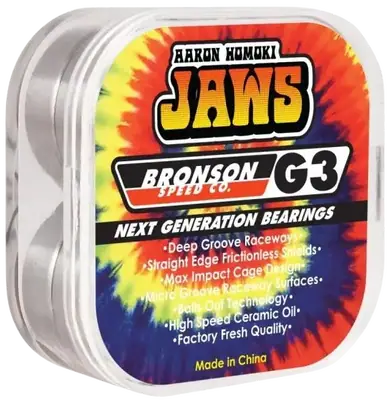
Skateboard bearings are set within the wheel's cores. They facilitate smooth and efficient rotation, allowing your skateboard to roll with the least friction. Bearings are available in various ABEC ratings, from 1 to 9, where higher numbers suggest smoother operation. However, in skateboarding, attributes such as material quality, lubrication, and upkeep often surpass the importance of the ABEC rating alone. Hence, beginners shouldn’t focus excessively on the ABEC rating.
If your wheels aren't spinning as freely as they once did, have a look at our guide on How to Clean and Maintain Bearings.
Explore our full selection of Skateboard Bearings, or delve into the technical aspects with our thorough Bearing Guide.
Skateboard Griptape
The griptape on a skateboard is the abrasive material on the deck’s topside, aiding in board control and preventing slipping. When sliding your feet atop the deck, the griptape’s friction, combined with a quick kicktail pop, facilitates higher ollies.
Griptapes vary in colours, designs, or clear options. Search through our selection of Skateboard Griptape and explore the variety available!
If you're looking to apply griptape, here's a brief video tutorial: