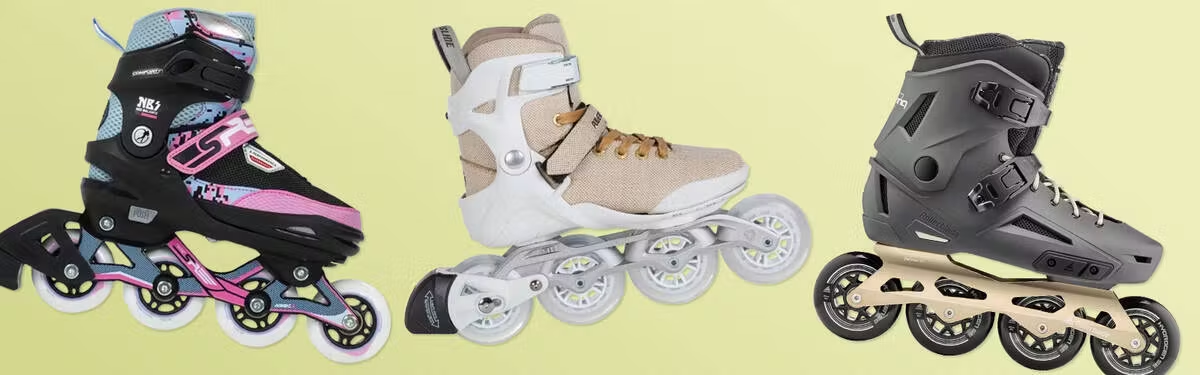
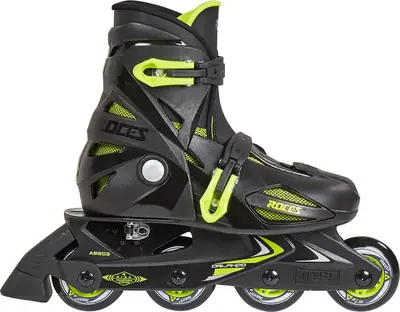
For those new to inline skating, finding a pair of skates that deliver both comfort and stability is crucial for a rewarding experience. To assist you in exploring the extensive selection available for your first pair of inline skates, we've assembled valuable guidance in this guide. Here, you’ll gather all the necessary insights to select the ideal pair of novice inline skates.
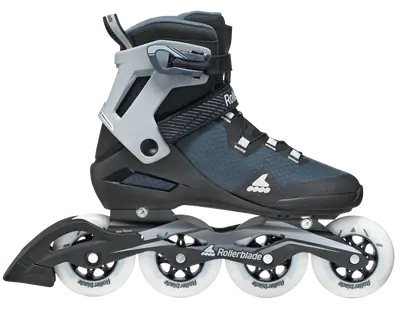
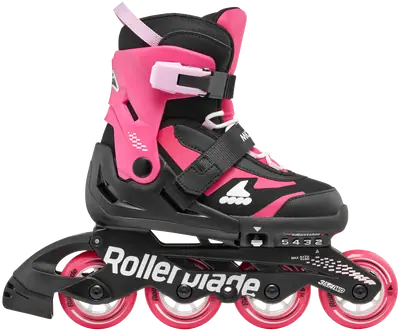
Within our inline skates range, you will find numerous excellent choices specifically tailored for beginners. Skates suited for newcomers typically belong to the recreational or fitness categories. These labels generally indicate that the skates are created for broad, general use, rather than for specific purposes such as speed or aggressive skating. They are perfect for commuting, exercise, and leisurely enjoyment, balancing performance with comfort.
Overview

Which Inline Skates are Best for Newcomers?
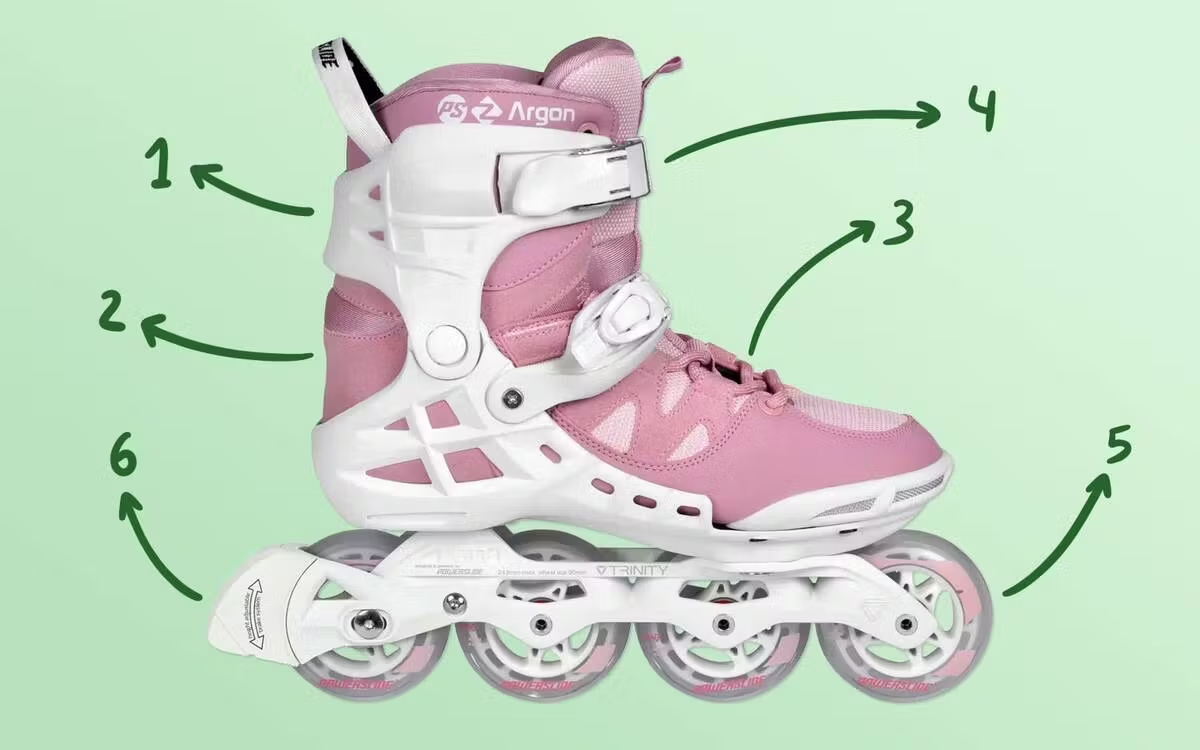
To achieve the best experience from your beginner inline skates, consider these key features for performance and comfort:
- High cuffs enhance lateral support: They offer your ankles necessary stability.
- Breathable liners crafted with foam: They provide comfort and airflow during usage.
- Choice of lacing systems: Select from classic laces, speed lacing, or BOA systems to ensure a snug fit.
- Powerstrap and buckle feature: These keep your foot securely in position.
- Smaller wheels (no greater than 90 mm in diameter): These facilitate easier control and manoeuvring for beginners.
- Heel brake inclusion: Allows speed control and safe deceleration.
Perusing our range of inline skates, novice-friendly models are accessible for various ages and personal tastes. As you explore the different categories of inline skates we offer, it's advisable to filter results by skill level.
Determining the Correct Size for Beginner Inline Skates
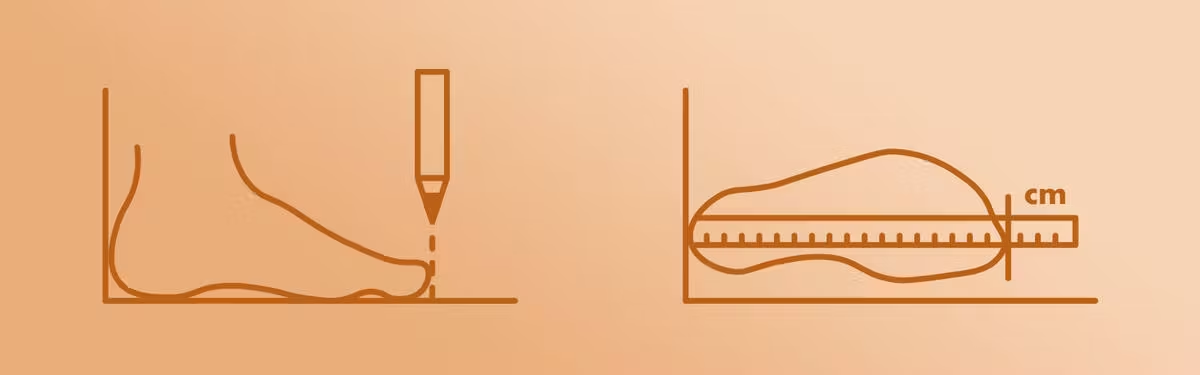
Correctly sizing your skates is vital when embarking on your wheeled journey. When purchasing skates online, refer to the model-specific size guide and base your choice on an accurate measurement of your foot.
To obtain an accurate foot measurement, place your heel against a wall. Measure the distance from the wall to the tip of your longest toe, ensuring the measurement is perpendicular to the wall.
Steps to Precisely Measure Your Foot
- Stand on a hard surface: Ensure precision by standing against the wall on a flat, solid surface.
- Wear your skating socks: Use the type of socks you'll skate in during measurement.
- Position a paper against a wall: Place a paper on the ground with one edge touching the wall.
- Maintain upright posture: Stand upright with your heel against the wall, foot flat on the paper.
- Mark toe tip location: Indicate the spot on the paper at the longest toe's tip.
- Measure both feet: As one foot might be larger, measure both. Use the larger size for choosing your skate size.
Measure the length of your foot on the paper using a ruler. You now have your mondopoint size, crucial when consulting sizing charts for inline skates.
Determining the Right Fit for Inline Skates
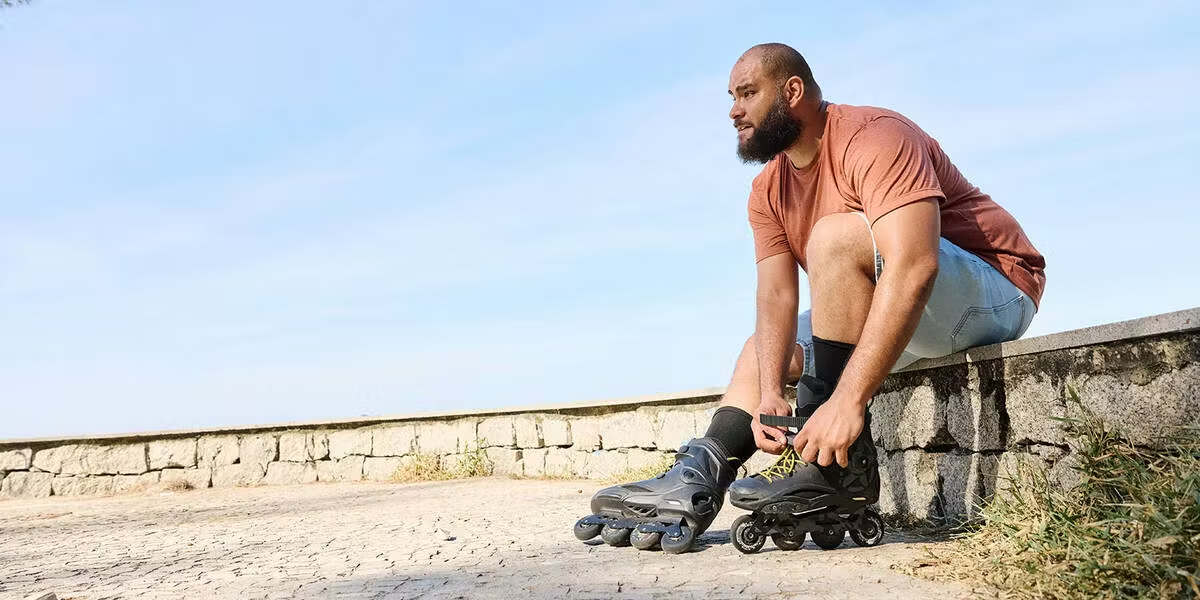
Inline skates should fit snugly but not be uncomfortable. If they are loose, it can disrupt the energy transfer from your legs to the skates. Consider these aspects when selecting your first pair of skates:
- Initial Adaptation Period: Skates may require a short break-in period, beginning somewhat stiff but gradually becoming more comfortable.
- Secure Heel Position: Your heel should rest securely with minimal lift during skating to improve control and reduce blister risks.
- Sufficient Toe Space: Toes should remain close to the skate's front, with minimal freedom to wiggle without being squeezed.
- Effective Ankle Support: The ankle area should offer support, while allowing blood circulation, and facilitate easy knee bending.
- Closure Methods: Adjust laces, buckles, and straps for a supportive but not restrictive fit.
Adjustment Period for Inline Skates
For newcomers, becoming acquainted with a pair of skates may require some time. Even perfectly fitting skates need an adjustment period, especially for those whose feet are new to the comforting embrace of skates.
Consider these suggestions for a smoother break-in process:
- Be Patient: Transitioning into skates can take up to a month. Ease into it with short sessions, increasing duration gradually. Expect some early discomfort while your feet and ankles adjust to this activity.
- Ease Foot Tension: Try keeping your feet relaxed during skating and avoid overtightening laces and straps.
- Preventing Blisters: Experiment with various socks to find the most comfortable pair. Insoles and footies can significantly reduce blister occurrences, particularly around heels and ankles.
If pain or discomfort persists, seek professional medical advice. Enjoy the evolution as your skates meld seamlessly with your feet and skating technique.
For further advice, refer to our article about insoles, footies, and introducing new skates:
Mastering Braking Techniques for Beginners on Inline Skates
For beginners, inline skates often feature rear brakes, commonly in the form of a heel brake. This setup provides an intuitive braking method for newcomers still familiarising themselves with skate control. Essentially, a traditional heel brake offers a more straightforward and safer braking option, particularly advantageous for beginners.
Essential Protective Equipment for Novice Inline Skaters
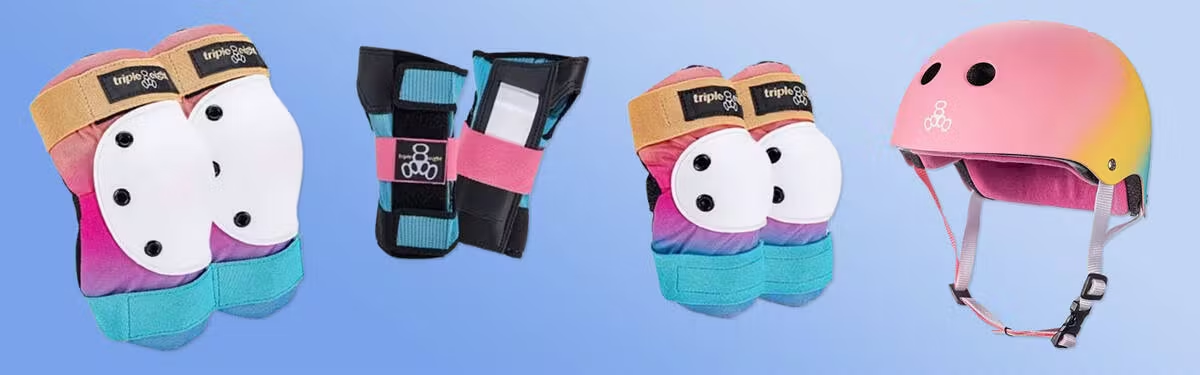
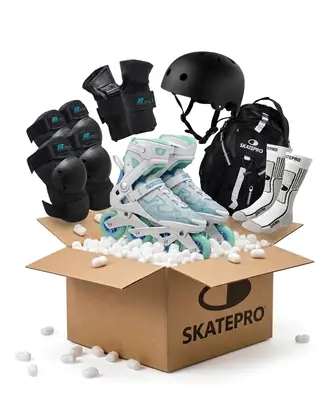
When engaged in inline skating, wearing protective gear is crucial for safety. As a beginner, ensure you have the following protective equipment:
- Helmet: A properly fitting helmet is vital for head injury prevention.
- Wrist Guards: These protect against wrist injuries by offering support and cushioning during falls.
- Knee Pads: Knee pads shield knees from abrasions, bruises, and fractures.
- Elbow Pads: Elbow pads protect elbows against impacts and scrapes.
Using this protective gear can significantly decrease the risk of injuries, making your inline skating experience safer and more enjoyable.
It's crucial for beginners to invest in protective gear to have a safer inline skating experience.